
Mongar Festival Travel Experience – Celebrate Bhutan’s Vibrant Traditions, Witness Iconic Religious Ceremonies
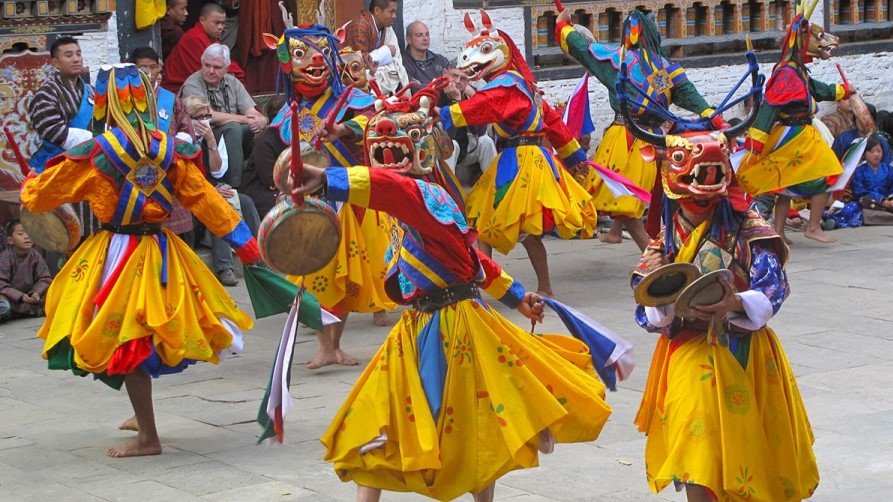
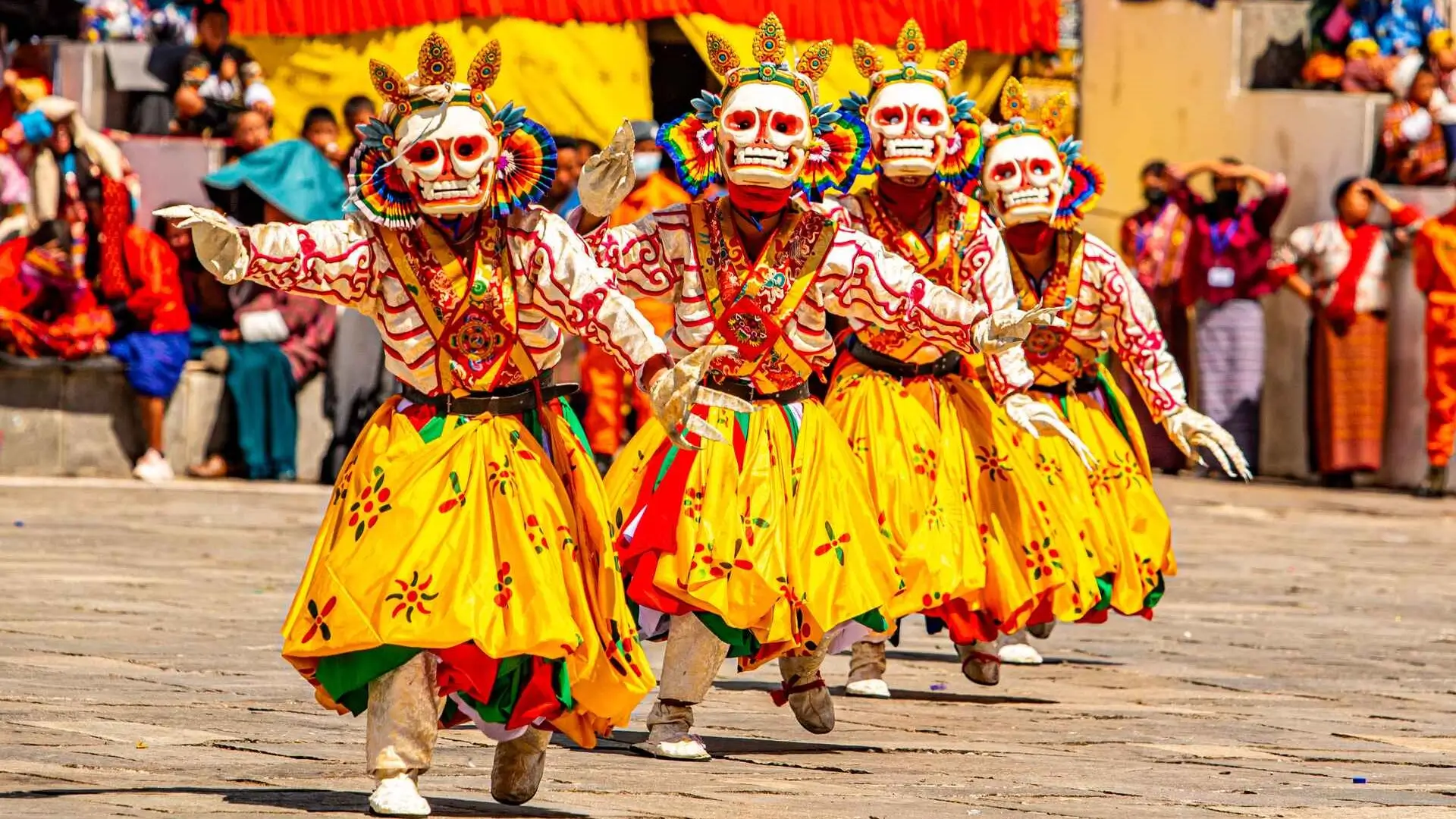
This tour covers western, central and eastern Bhutan. The major highlight of the trip is Mongar Festival where lot of unique dances indigenous to the region is performed. Devotees from nearby district gather at the courtyard of the Dzong to witness the masked dances which are accompanied by cultural dances to entertain the onlookers. Masked dances are a significant part of religious culture in Bhutan and followers believe that a person is liberated upon witnessing the sacred masked dances. It is also great chance to visit and explore all the rich culture and abundance of natural beauty that small Himalayan country Bhutan has to offer. Mongar Festival Tours can be booked through Bhutan highendtours & Travels (BHT). Mongar Festival Tours
Tour Highlights
Places You’ll Visit
Fly on the wings of the Dragon to Bhutan, on arrival in Paro International Airport, complete the immigration formalities and exit through only one arrival gate where BHT dedicated team who will be holding placard, no one will be missed. Paro Town- Tiny Paro town actually can offer lot more, there are many authentic handicraft shops, readily available Bhutan made products, grocery and imported garment shops beside having many small restaurants around. Outdoor Activities- Nicely made and well maintained activity place attached to whole sell Buddha statue store, offers wearing Bhutanese dress, playing archery and darts for guests visiting Bhutan. The center is maintained and operated by BHT herself and its free of cost for all BHT guests. Overnight in Paro, altitude 2200m
After our breakfast transfer to Paro airport for your flight to Trashigang, easternmost district of Bhutan. On arrival at Yanphula, you will be received by our representative and transfer to your hotel at Trashigang. The drive will bypass Sherabtse College, the country’s first and oldest college when it started a few decays ago. Explore Trashigang Town: At Evening explore the little Tashigang town, meeting nomadic people from Merak and Sakten. Overnight in Trashigang, altitude 1400m.
Trashigang, “The Jewel of the East”, spans the easternmost corners of the kingdom, skirting up to the edge of the Indian state of Arunachal Pradesh. Trashigang town is set on a scenic hillside and was once a bustling trade centre for merchants looking to barter their goods in Tibet. Trashigang sightseeing includes visit the Radi villages meeting locals and excursion to Khaling to see textile weaving center which is very famous for silk weaving. En-route we will stop to visit Trashigang Dzong. The Dzong was built by 3rd Druk Desi, Chogyal Minjur Tempa in 1669 as per the wish made by Zhabdrung before he went into retreat in 1652. Chogyal Minjur Tempa ruled the country from 1667 to 1680 and died in 1691. The Dzong was built on commanding hill top overlooking Drangme Chhu to defend Tibetans invader in 17 century. Today it houses the office of the district administrative officer and district monk body. Trashigang Dzong: Trashigang Dzong or ‘The Fortress of the Auspicious Hill’ was built in 1659 to defend against Tibetan invasions. This imposing fortress is strategically situated high atop a spur overlooking the Dangmechu River. Radi village: Its a famous place in eastern side especially for two things, its rice fields and the skill of its weavers. It is often known as the ‘Rice Bowl of the East’ because of its verdant rice fields that supply most of the grain to eastern parts of the country. Excursion to Khaling: The place is very famous for silk weaving. One can visit National Handloom and learn & experiences the weaving culture of eastern Bhutan. Overnight in Trashigang
The road approaching Mongar is one of the most spectacular journeys in the country. It passes over sheer cliffs and through beautiful fir forests and green pastures. Travelers passing this route will have the opportunity to visit the Rhododendron garden.An excursion drive to Trashi Yangtse make before proceeding to Mongar. Drametse Goemba :The biggest and most important monastery in eastern Bhutan,From the highway between Trashigang and Mongar, it is around 18km/1hr drive along the dirt road, gaining around 1350m.Drametse Monastery was founded in 1511 by Ani Choten Zangmo, the grand-daughter of the famous Bhutanese saint Pema Lingpa (1450-1521), who named the place as Drametse, meaning no enmities place or peak. Gomphu Kora : Located among paddy fields below the road to Tashi Yangtse, around 1 hour’s drive from Trashigang. Guru Rimpoche meditated under the big rock and subdued an evil demon here. Explore Mongar town in the evening & if wished and time permits, you can witness Mongar Tschechu as well. Overnight in Mongar.
Festivals are preformed to honor Buddhist saint Guru Rimpoche who brought Buddhism in the country in the 7th century. Tse meaning date and chu meaning tenth are performed annually in all the districts coinciding with the tenth day of the Bhutanese calendar. After breakfast, we will proceed to the festival site and witness the most interesting annual festival of eastern Bhutan (Tsechu) for the whole day. Mongar Tshechu : People from all over the region as far as Trashigang and Lhuentse come to attend the festival. A lot of unique dances indigenous to the region are also performed. Overnight in Mongar.
Till afternoon, we will witness the festival and then the drive will take us through Thrumshingla, the highest road pass in the country making this the most spectacular drives in the country as we climb up from Lingmithang to Thrumshingla.En-route visit Ura village. Further about 52km, there lies a valley of white bird, Jakar. Ura Village- Ura is one of oldest villages of Bhutan located at an elevation of 3100m. You can stroll around Ura village and hop into few friendly villager’s home for tea and chit-chat. The people here still practice semi-nomadic lifestyle herding yaks and sheep. Overnight in Jakar, altitude 2650m.
Bumthang is the religious heartland of the nation and home to some of its oldest Buddhist temples and monasteries. It is famous for its brightly coloured distinctive woolen item called Yathra and district formed by four valleys. Jakar Dzong or the “Castle of the White Bird”- Dominates the Chamkhar valley and overlooks the town, 3km 1.2 miles away from Chamkhar town. Jampay Lhakhang- One of the oldest temples built in the country. This is the home of the naked dance that is still performed annually. It is believed that the temple is built in 7th century by Songtsen Gonpo of Tibet. Kurjey Lhakhang- The site where Guru Padmasambhava left the body imprint on the rock behind the temple. Visit for its artistic works and amazing structure. Kharchu Dratsang Monastery- This is an amazing experience to see monks chanting the mantras. The monastery has become part of an extensive effort to preserve and revitalize Bhutanese culture and heritage. Tamzing Lhakhang- Tamshing Lhakhang, founded in 1501 by Pema Lingpa, contains paintings of fundamental interest for the history of painting in this region. Is also one of the oldest temples in the valley. Swiss Cheese Farm & Red Panda Brewery- The Swiss Farm is established by Mr. Fritz Maurer. The project introduced brewing, farming machinery and fuel-efficient, smokeless wood stoves to the valley, as well as its first tourist guesthouse in Bumthang. Swiss cheese and Bhutan’s only native beer, Red Panda, is brewed here. Fees applicable. Overnight in Bumthang
Starting early from Bumthang will give us more time on roads to enjoy some of the best view points and passes. The journey will pass through Yotongla, Trongsa, Chendebji and Pelala before arriving in Phobjikha the valley of Black Necked Cranes and rhododendron. Gangtey Nature Trail- It is a short and relatively easy trek with several beautiful villages and monasteries en route. It offers beautiful views of the country with mostly gentle, forested slopes. All-time best trail and it takes approx. 2 hours, the trails ends at the road next to Khewang Lhakhang. Black Necked Crane Information Centre- This place is run by the Royal Society for Protection of Nature (RSPN) and has an observation room with high-power telescopes and good scope for spotting the famous Black Necked Cranes which migrates to the region during winter. It also displays information about the history of the region. Overnight in Phobjikha, altitude 2900m
As we say good bye to the Asian Switzerland, we will retrace the journey back to Punakha. The road descends into Wangdue and Punakha taking us to one of the warmest places of Bhutan. Gangtey Gompa – The temple built over hill top, headed by Gangtey Tulku the reincarnation of Pema Lingpa. Annual festival of Gangtey is preformed in the temple courtyard every year. This is also the place for black necked crane’s festival held every year on 11-Nov, coinciding with His Majesty’s Fourth King’s Birthday. Punakha Dzong- Built in 1637 by Zhabdrung Ngawang Namgyal, the Dzong was named Druk Pungthang Dechen Phodrang (Palace of Great Happiness). Punakha is still the winter residence of Je-Khenpo religious head of Bhutan. King Jigme Dorji Wangchuck convened the first National Assembly here in 1952. This is one of the finest and must see Dzongs of Bhutan. The Dzong stands in between meeting point of two rivers, Phochu and Mochu making the most photogenic Dzongs of Bhutan. Punakha Suspension Bridge- Punakha suspension bridge is considered one of the longest of its kind in Bhutan. The bridge connects the dzong with the villages Shengana, Samdingkha and Wangkha on the other bank of the Po Chhu river. In these small villages, locals sell their wares in tiny, traditional shops. Visitors can stop here for a quick and authentic view of true Bhutan. The suspension bridge is only about 15 minutes’ walk from Punakha Dzong. Overnight in Punakha, altitude 1350m
Start the most scenic drive to Thimphu from Punakha over dochula pass which takes about two hours. Chimi Lhakhang– This temple is known as the temple of fertility. It is widely believed that childless couples can visit this temple to pray for better fertility to conceive the child. There are stories and incidences that many visitors dream came true however one must truly need to believe and follow the lama’s instruction. The hike though the lovely villages of Mesina gives truly amazing experience. Enjoy the gentle walks from the road head. Dochula Pass– The pass is at a popular location as it offers a stunning 180 degree panoramic view of the Great Himalayan mountain ranges. The view is especially scenic and very clear on winter days with snowcapped mountains forming a majestic backdrop to the tranquility of the 108 chortens gracing the mountain pass. Explore Thimphu City on your own: If time permits, walking through the city gives you immense joys and understanding of modern city. Good option for imported garments and local souvenir, beside unique local handicrafts. Thimphu offers mixed style of personalities taking the street walk in Thimphu- only city in the world without traffic lights. Overnight in Thimphu, altitude 2400m
Thimphu- This bustling little city is the main centre of commerce, religion and government in the country. Thimphu is the most modern city with an abundance of restaurants, internet cafes, nightclubs and shopping centers. However it still retains its cultural identity and values amidst the signs of modernization, often referred as world only city without traffic lights. Buddha Dordenma- The Buddha Dordenma is located at a top of the hill in Kuenselphodrang Nature Park and overlooks the southern entrance to Thimphu valley. The Buddha Dordenma is a gigantic 51.5-meter tall statue, making it one of the largest statues of Buddha in the world. Arts and Crafts Vocational School- Arts and Craft School is where student learn 13 different techniques to master in Bhutanese Arts. Some of the skills required eight years to graduate. You can see live carving, painting, sculpture etc. You are allowed to take the pictures/make video. Products made by students are on display at the showroom for sales as well. The school is closed in July and December to February, beside their exams and events. Folk Heritage Museum-This museum was established in 2001 and provides visitors with fascinating insights into the Bhutanese material culture and way of life, especially the life of Bhutanese in remote parts of Bhutan. As we proceed to Paro, we will retrace the journey crossing Chuzom and further to Paro. The entire stretch of drive will refresh your mind and give you second chance to enjoy smooth and most scenic drive to Paro. Paro Airport Bird’s Eye View Point- The Paro international airport is among the top 10 most stunning and challenging airports in the world. The view point offers an exquisite view of the Paro valley. Rinpung Dzong- ‘Fortress on a Heap of Jewels’, is ranked one of the best Bhutanese architecture. The massive buttressed walls that tower over the town are visible throughout the valley, particularly when landing at Paro Airport. The Dzong also offers administrative seat of the district of Paro. The Dzong was built in 1644 under the order of Zhabdrung Ngawang Namgyal. National Museum of Paro- Perched above Paro Dzong it was watchtower built in 1649 to protect the undefended Paro Dzong located below, renovated in 1968 to house the National Museum. Today this museum houses the best collections of all time historical items making worth for a visit. Outdoor Activities- Nicely made and well maintained activity place attached to whole sell Buddha statue store, offers wearing Bhutanese dress, playing archery and darts for guests visiting Bhutan. The center is maintained and operated by BHT herself and its free of cost for all BHT guests. Overnight in Paro, altitude 2200m
This picturesque region in the kingdom is covered in fertile rice fields and has a beautiful, crystalline river meandering down the valley. Paro has more of historical sites, high-end tourist resort and many souvenir shops for shopping including world famous Takstang. Taktsang Gompa/Tiger’s Nest Temple– is Bhutan’s most iconic landmark and religious Buddhist site in the world. The name Taktsang translates to “The Tiger’s Nest”. The temple is one of the holiest sites in Bhutan which clings impossibly to a sheer cliff face 900 meters above the valley. Although good trekkers can make it to the top in two hours, most of the guests take whole day to complete the hike. Outdoor Activities- Nicely made and well maintained activity place attached to whole sell Buddha statue store, offers wearing Bhutanese dress, playing archery and darts for guests visiting Bhutan. The center is maintained and operated by BHT herself and its free of cost for all BHT guests. Overnight in Paro
Departure from the Kingdom of Bhutan
- Unbeatable Value Assurance - ( Discover extraordinary adventures )
- Effortless Reservation Process - ( No booking hassles )
- Transparent Pricing, Zero Surprises - ( No hidden costs )
- Expertise Beyond Measure - ( Team of seasoned experts )
- Your Joy, Our Priority - ( Happiness Commitment )
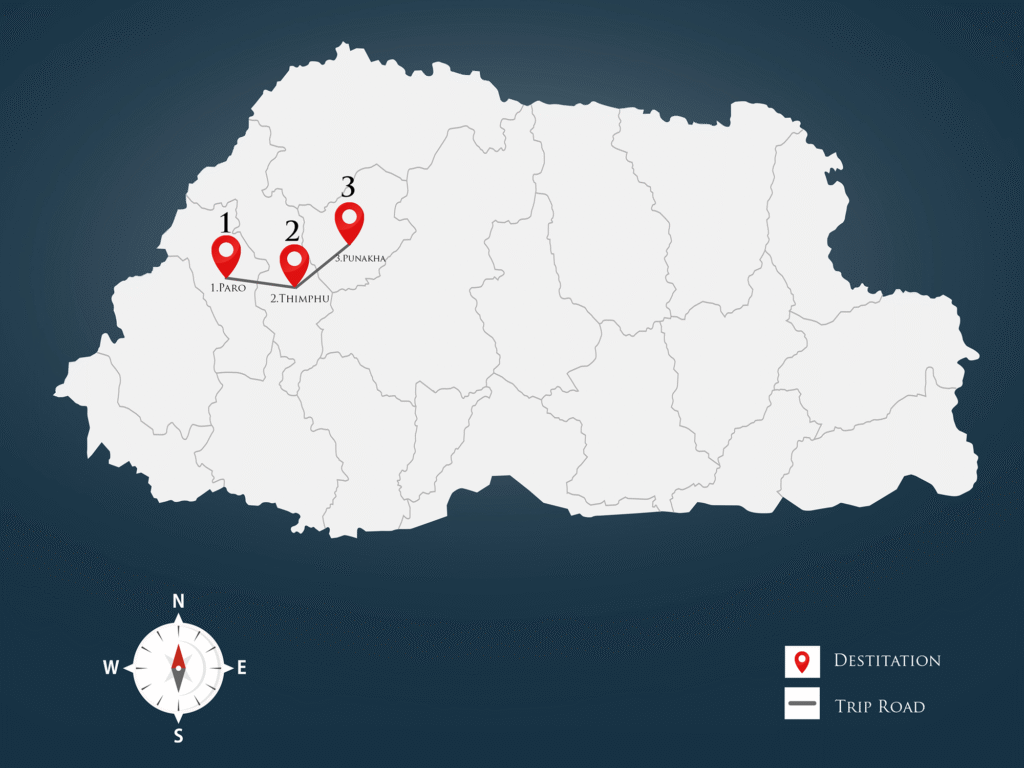
Official Trek Map
Explore unique experiences
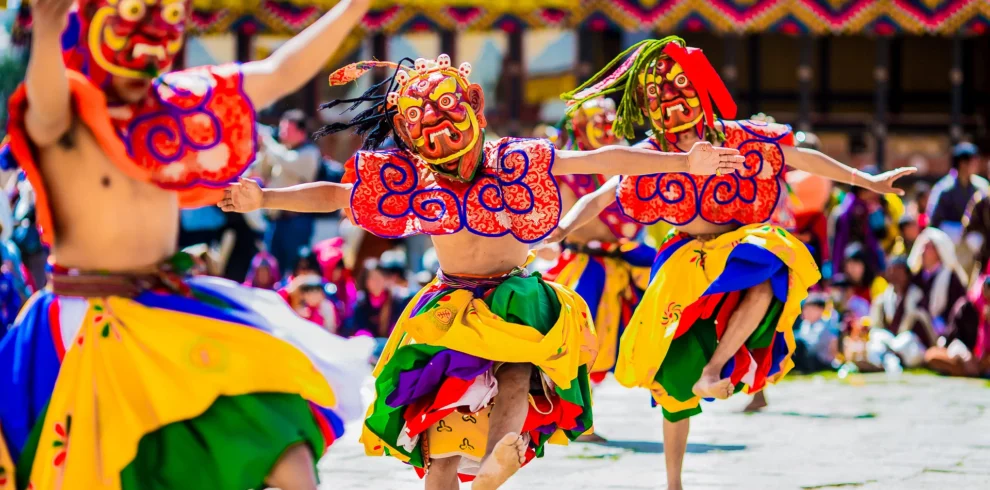
This 7-day Paro Tshechu Festival Tour will take you to experience one of the most popular festivals in Bhutan, as...
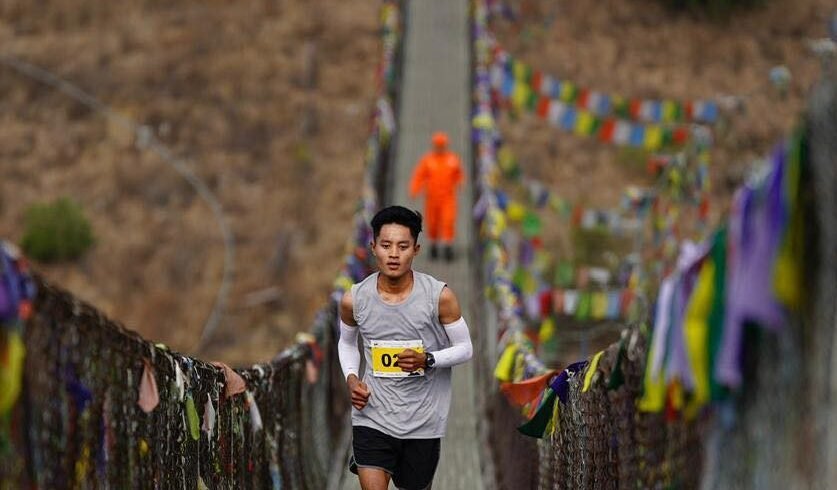
Marathon Date: 7 March 2026 The Bhutan International Marathon 2026 invites runners from around the world to experience the rare...
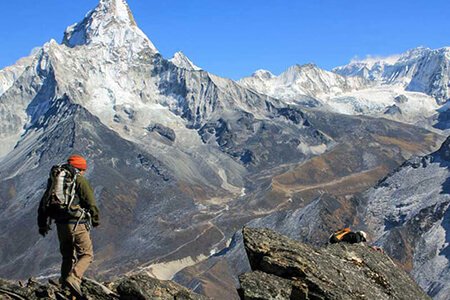
This 9-day Bhutan journey offers a seamless blend of adventure, spirituality, and cultural immersion. The itinerary combines the legendary Drukpath...
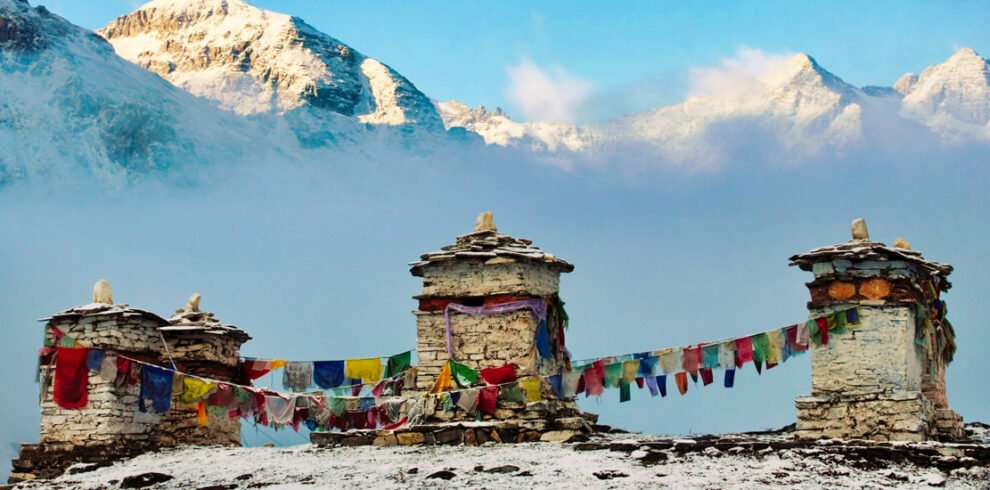
Bhutan’s Signature High-Altitude Adventure and Cultural Discovery This 13-day expedition through Bhutan combines the legendary Jomolhari Trek—a world-class Himalayan trail—with...
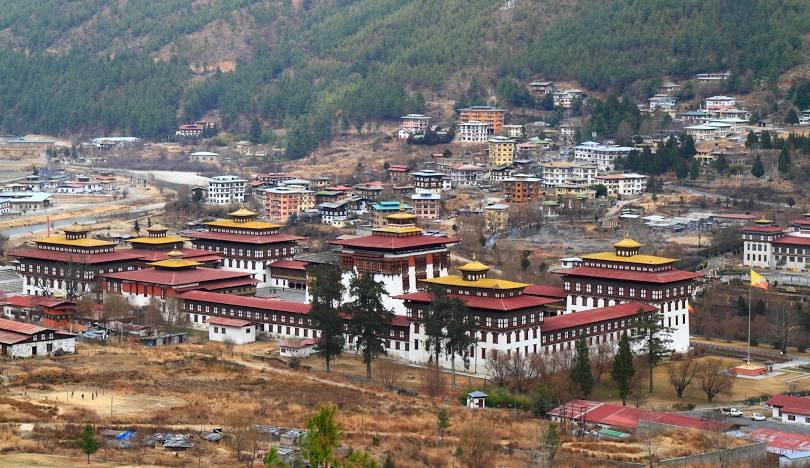
Thimphu, the capital city of Bhutan, is a unique blend of tradition and modernity set against a backdrop of scenic...
Experience Bhutan as a living sanctuary — a kingdom where more than 70% of the land remains forested, wildlife roams...